Service Entrances Under Scrutiny: A Delivery-Door Checklist for UK Businesses

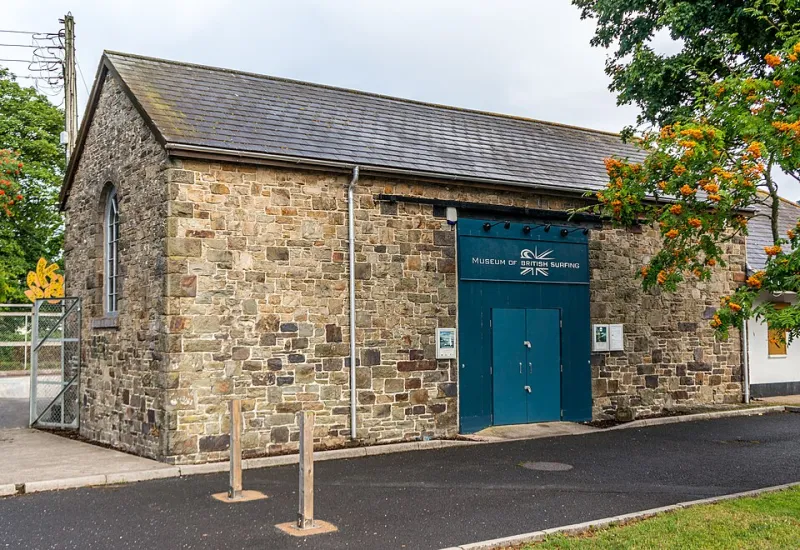
Photo: small business back door delivery entrance UK, via americanpaws.club
Front doors attract design budgets; back doors absorb daily punishment. For small UK businesses, the goods entrance is often a fire exit, a staff entrance, a delivery point and a waste route at the same time. That mixture of roles is where risk accumulates. A service door that is convenient for a courier can be a weak point for security, a hazard for escape and a source of draughts in winter.
Map the Door’s Roles Before Changing Anything
Start by listing every use of the door: deliveries, staff arrivals, waste transfer, cleaning, cash handling, customer overflow and emergency escape. Note who uses it, when and with what. A café may take deliveries before opening; a workshop may move heavy materials; an office may rely on the door as a second fire exit. The answers determine whether the door should be a controlled staff entrance, a supervised delivery point or a final exit that must open immediately without a key.
Access Control Without Creating a Bottleneck
The most common failure is a door propped open because the correct procedure is slower than the informal one. Key control, digital locks, fob access and intercoms all help, but only if they are managed. Keep a key log, remove codes when staff leave, avoid sharing fobs and review who holds access rights. A delivery bell or intercom at the goods entrance can keep the door closed while the driver waits. For regular couriers, agreed delivery windows are better than a standing instruction to leave the door on the latch. If the door is also a fire exit, access control must not prevent escape.
Fire Egress and Emergency Release
A goods entrance that serves as a final exit must open without a key, a code or specialist knowledge. Push bars, thumbturn locks and clear signage are essential. The escape route should remain clear of stock, pallets, bins and parcels, and the door should not be wedged open with a delivery crate. Fire doors should not be held open by temporary means; if a door is needed open for ventilation or movement, a compliant hold-open device linked to the fire alarm may be appropriate. The fire risk assessment should record the door’s role and the checks that keep it reliable. In England and Wales, the Regulatory Reform (Fire Safety) Order 2005 places duties on the responsible person, and Approved Document B provides guidance for building work.
Draughts, Thresholds and Weather
Back doors are often less protected than front entrances, so wind-driven rain and cold air find the gaps. Brush seals, weather bars, threshold strips and door closers can make a significant difference, but threshold changes must not create a trip hazard, block drainage or prevent level access. Delivery trolleys and wheeled bins need a smooth transition. If the threshold is raised to stop water, the result may fail accessibility expectations under the Equality Act 2010. Repair warped leaves, worn hinges and failed seals before replacing the door; if the frame is sound, targeted maintenance is often the better investment.
Signage and Delivery Instructions
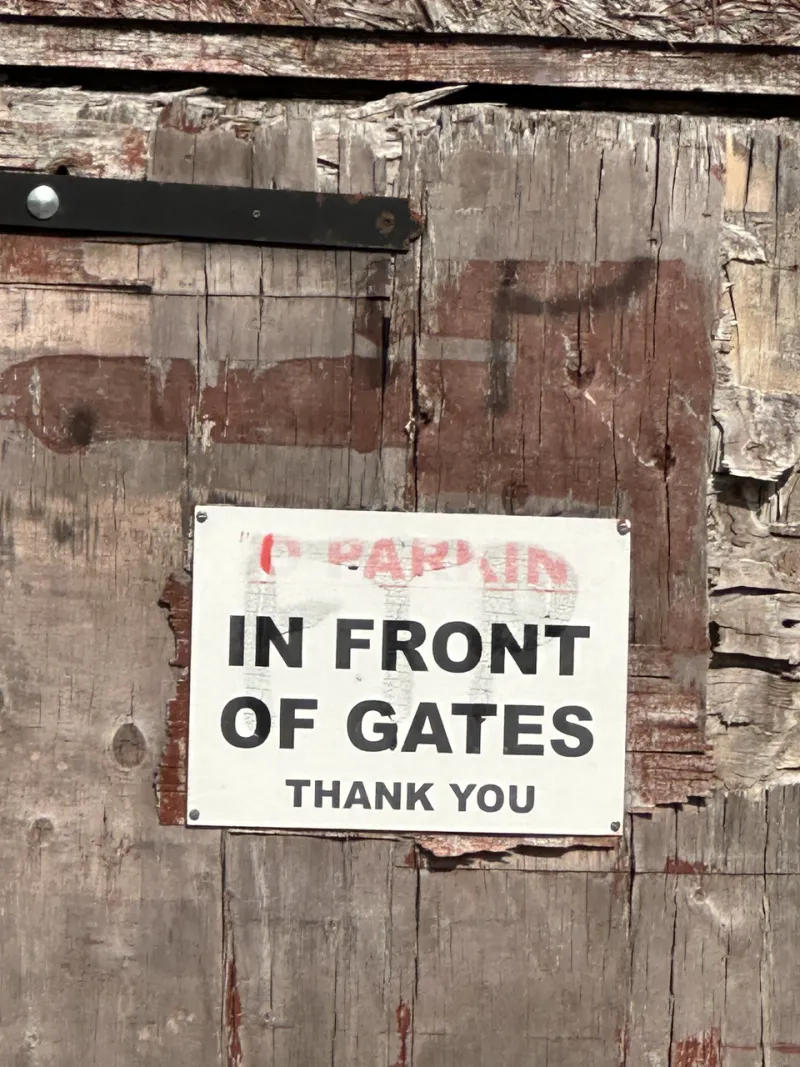
Clear signage reduces improvisation. State where deliveries should go, where vehicles should stop and which number to call. Put the same instructions in courier accounts and order notes. A parcel box or secure locker outside the door can remove the temptation to leave the goods entrance open. Staff should know that an unexpected delivery is not a reason to unlock the building. For customer-facing businesses, a polite sign directing deliveries to the front or to a service bell is more effective than a handwritten note.
Parcel-Drop Abuse and Tailgating
Goods entrances are vulnerable to tailgating, fake deliveries and parcel-drop abuse. A person carrying a box can appear legitimate while a second person follows through the door. The countermeasures are simple: one door at a time, challenge unknown callers, keep the door closed, use a camera or intercom and log unusual deliveries. Do not accept parcels for unknown neighbours or staff, and do not let a courier leave goods inside the premises without authorisation. A secure parcel box is better than an open door; a signed delivery policy is better than a verbal one.
A Practical Checklist
- Confirm whether the door is a final exit and whether it opens without a key.
- Check that the escape route is clear and that no stock or waste blocks it.
- Test locks, closers, hinges and seals monthly, and record the results.
- Keep a key and code register, and remove access when staff leave.
- Direct deliveries to a supervised point and use a bell or intercom.
- Provide a parcel box or locker rather than relying on an open door.
- Keep thresholds level, drained and free from trip hazards.
- Fit draught seals and weather bars without compromising escape or access.
- Display clear signage for couriers, staff and visitors.
- Review the fire risk assessment when the door’s use changes.
Repair or Replace?
A service door that sticks, fails to latch or lets in water is not merely inconvenient; it is a security and safety defect. Hinges, closers, seals and thresholds can often be repaired. A leaf that has warped, a frame that has rotted or a door that no longer fits its fire rating may need replacement. The decision should be based on function first and appearance second. K Door Services can survey the entrance, identify the weak points and recommend a specification that keeps deliveries moving without turning the back door into an easy way in.