Built for the British Sky: Matching Front Door Materials to Weather and Wear
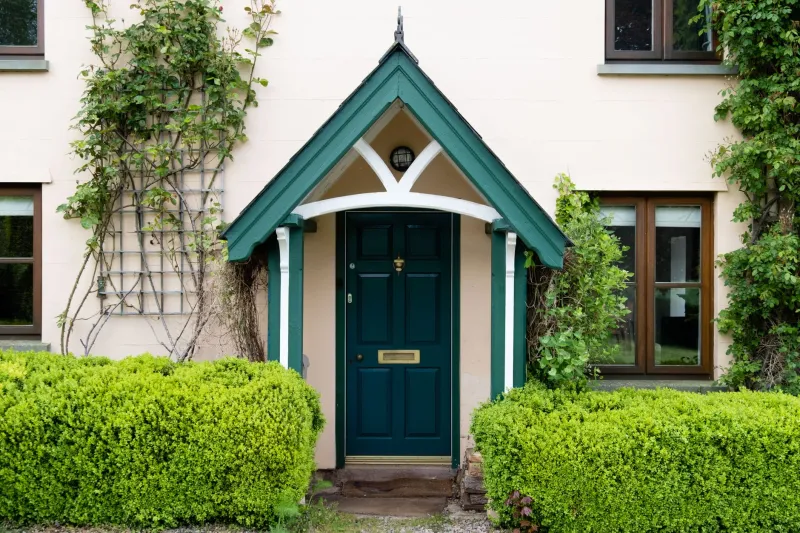
A front door in the UK is asked to do more than open and close. It faces driving rain from the south-west, frost, coastal salt, summer heat and the daily wear of family life or commercial footfall. The material of the door leaf is only one part of that system, but it establishes how the entrance will age, how much attention it will need and how confidently it will perform when the weather turns. Composite, uPVC and timber are the three mainstream choices. Each can work well; each can disappoint when specified or fitted poorly.
The three candidates in brief
| Material | Usual strengths | Points to watch | Often suits |
|---|---|---|---|
| Composite | Stable in wet and dry conditions, wide choice of colours and styles, generally low maintenance | Quality varies considerably; edge seals and glazing details need scrutiny | Exposed elevations, homeowners wanting a traditional look with modern behaviour |
| uPVC | Good weather resistance, competitive price, straightforward cleaning | Can look utilitarian; frame stiffness and reinforcement matter on wide doors | Sheltered entrances, rental properties, tight budgets |
| Timber | Repairable, characterful, compatible with period properties | Needs regular finishing; movement and moisture must be managed | Conservation areas, listed buildings, entrances where appearance is paramount |
The table is a starting point, not a verdict. A well-made timber door in a sheltered porch may outlast a cheap composite door on a wind-battered wall, and a properly reinforced uPVC doorset can be perfectly secure. The deciding factors are exposure, installation quality and the maintenance regime the owner will realistically follow.
Rain, wind and the details that decide
British rain rarely falls straight down. Wind-driven rain is especially demanding because it pushes water into joints, thresholds and glazing seals. uPVC is impervious to water, but frames can flex on wide openings if reinforcement is inadequate. Composite leaves resist moisture well, yet the edges, letterplates and glazing beads still depend on sound seals. Timber is dimensionally stable only within limits; unprotected end grain and poorly drained thresholds are common routes to swelling and decay.
No material compensates for a weak weatherseal. On exposed sites, look for a doorset with a recognised weather performance rating, a drained threshold and a design that sheds water away from the base of the leaf. A sheltered porch changes the calculation and may allow a timber door to perform admirably with less frequent refinishing.
Thermal comfort and the whole doorset
Thermal performance is often discussed as though the leaf alone determines comfort. In practice, the frame, glass, threshold and installation all contribute. uPVC and composite doors commonly use multi-chambered or insulated cores, while timber can perform well when engineered and combined with a thermal break. Where energy performance matters, ask for tested U-values for the complete doorset rather than relying on a brochure figure for the slab. Also consider draughts: a thermally efficient leaf will still feel cold if the frame is twisted or the seals are compressed.
Acoustic performance follows a similar logic. A solid core or insulated leaf can reduce street noise, but airtightness at the perimeter is just as important. For homes near busy roads or commercial premises on high streets, the specification should address the doorset as a system.
Security is a system, not a material
All three materials can accommodate secure locking. Composite and uPVC doors are commonly supplied with multipoint locks and reinforced frames; timber doors can be equally robust when built around a solid core and fitted with appropriate hardware. The more useful questions are whether the doorset has been tested to a recognised security standard, whether the hinges are resistant to attack, and whether the installer understands how to fit locks, handles and cylinders without compromising the leaf.
Poor installation is the great leveller. A premium door hung out of square, with inadequate fixing or a weak strike plate, will not deliver the security its label suggests. For small-business owners, the same principle applies to service entrances and back doors, where traffic and frequent use can loosen hardware over time.
Maintenance and long-term cost
uPVC is usually the least demanding day to day: clean it with mild soapy water and avoid abrasive pads. Composite doors are similarly low maintenance, though textured surfaces and coloured edges should be cleaned according to the manufacturer’s instructions. Timber requires more commitment. An annual inspection and a fresh protective finish every few years are normal, especially on south-facing or exposed elevations. Neglect the finish and the repair bill can exceed the original saving.
Whole-life cost is therefore more revealing than purchase price. A cheaper door that needs early replacement or repeated adjustment may cost more than a better-specified one. Ask about the warranty period, what it covers and whether it depends on professional installation and periodic maintenance. Warranties that exclude water ingress at the threshold or require an annual service are common, so read the terms before comparing prices.
Where each material earns its place
Composite doors suit many British homes because they combine a traditional appearance with stable behaviour and modest upkeep. They are particularly sensible on exposed elevations where a painted timber door would need frequent attention. uPVC remains a practical choice for sheltered entrances, rental properties and projects where budget is tight, provided the frame is properly reinforced and the door is not expected to mimic period detail. Timber is often the right answer for older buildings and conservation areas, where appearance and repairability matter, but it should be specified with drainage, ventilation and a realistic maintenance plan.
Installation and warranty pitfalls
Several failures recur. Replacing a door leaf without assessing the existing frame and threshold can leave drainage and airtightness compromised. Fitting a heavy composite or timber door into a weak reveal may cause movement and seal failure. Choosing a colour or finish without confirming how it is warranted can lead to disputes later. And relying on a verbal assurance that a door is suitable for an exposed site is no substitute for written specification.
Use a competent installer who will measure the opening, inspect the lintel and threshold, and explain how the doorset will be protected at the base. Confirm what the warranty requires in terms of cleaning, finishing and adjustment. For commercial premises, check that the chosen door meets the relevant access and fire requirements before appearance is settled.
A practical decision sequence
Start with exposure: is the entrance sheltered or wind-driven? Then consider the building’s character and any conservation constraints. Set a budget that includes maintenance over ten years, not just the purchase price. Finally, compare warranties and installation quality. The best material is the one that suits the weather, the building and the owner’s willingness to care for it. At K Door Services, the consistent lesson is that a modest doorset fitted well will usually outperform an expensive one fitted badly.