Lighting the Threshold: An Evening Security Review for British Front Doors
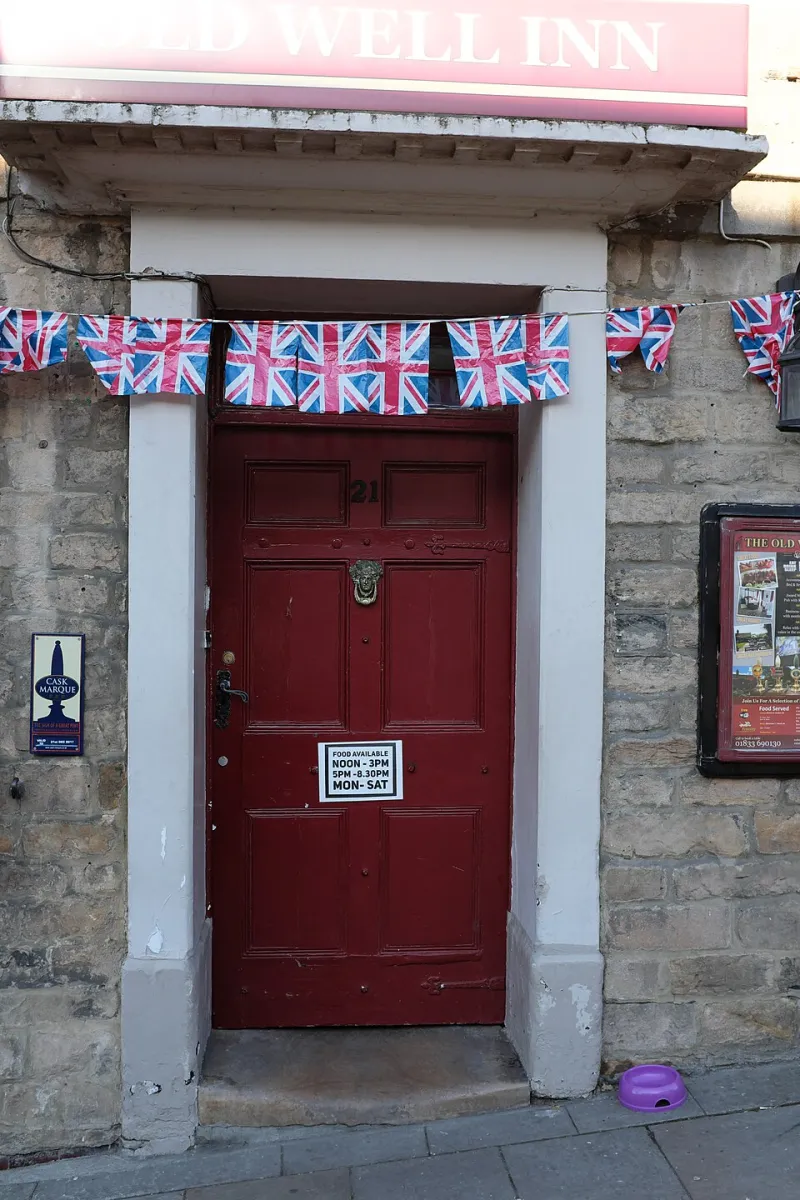
Photo: Bob Harvey , CC BY-SA 2.0, via Wikimedia Commons
A front door that looks reassuring in daylight can behave quite differently after dark. Shadows deepen, colours flatten, glazing becomes reflective and a bright lamp may create more glare than guidance. For British homes and small businesses, the evening entrance deserves its own review. The aim is not simply to add light, but to shape visibility, support cameras and doorbells, and present a composed threshold to visitors and passers-by.
Light the approach, not the lens
Porch lighting is most effective when it illuminates the path, the step and the lock area rather than shining into the eyes of someone approaching. A shielded downlight or a wall lantern with a directed beam is generally better than an unshielded floodlight at head height. Warm white light in the region of 2700K to 3000K is usually comfortable for residential settings, and roughly 300 to 500 lumens is often sufficient for a porch. A brighter lamp is not automatically more secure; it can bleach detail, create hard shadows and annoy neighbours.
Use a timer or a passive infrared sensor so that the entrance is lit when needed rather than throughout the night. Check that the sensor detects someone at the gate or path, not only at the door itself. For small businesses, the same principle applies to staff entrances and rear doors: light the route and the lock, keep the fixture shielded, and avoid spillage into neighbouring property.
Colour, contrast and gloss
Door colour affects how easily the entrance reads after dark. A dark door against dark brickwork can disappear into a shadow, while a pale door may reflect available light and appear more welcoming. Contrast matters more than fashion: the door, frame, step and house number should be distinguishable from their surroundings. On a terraced street, a door that blends into the facade may look discreet by day but become hard to identify at night.
Gloss levels also influence security and camera performance. High-gloss finishes can bounce light back towards a doorbell camera or create a bright hotspot that hides detail. Satin or matte finishes are often more forgiving, particularly where a porch light is close to the door. They also tend to show fewer fingerprints and weather marks. If a glossy finish is preferred, check the entrance at night from the kerb and from the camera’s viewpoint before accepting the result.
Glazing, reflections and privacy
Glazed front doors add light and character, but they change the evening picture. Clear glass can reveal silhouettes and interior lighting, while reflective glass may mirror a streetlamp into a camera’s field of view. Obscure or textured glazing can preserve privacy without losing the sense of a lit entrance. Where glazing is present, check whether interior lights create glare from outside and whether the doorbell camera sees a reflection rather than the visitor.
For businesses, glazed entrances should be reviewed with both security and staff safety in mind. A brightly lit reception visible from the street may be reassuring, but it can also disclose who is inside and when. Adjustable blinds, timed lighting and careful fixture placement can help. The objective is controlled visibility, not maximum brightness.
House numbers and wayfinding
A house number that is legible by day may vanish after dark. Contrast, size and position all matter. Numbers should be placed where a visitor, delivery driver or emergency responder can see them from the approach, not hidden behind a porch pillar. Illuminated numbers can be effective, but they should be subtle and shielded. Decorative scripts and low-contrast metal finishes often fail at night.
For small businesses, exterior signage should be lit evenly rather than spotlit. A sign that glares into the street is less useful than one that is quietly readable from the pavement. Keep the entrance hierarchy clear: number or name, door, bell and step should all be visible without the visitor having to search.
Smart doorbells and camera performance
Smart doorbells are now common on British homes, and they introduce their own lighting considerations. Infrared night vision can struggle with a glossy door, a nearby wall or a bright porch lamp. Position the doorbell at a sensible height and angle, and test the image after dark with a person standing at the door. Faces should be visible rather than silhouetted against a bright background. If the porch light is directly above the camera, consider moving the light or fitting a shield.
For businesses, camera coverage of an entrance should be proportionate and considerate of privacy. If a device overlooks a public footpath or neighbouring property, data protection guidance from the Information Commissioner’s Office is relevant. The security benefit should be balanced against intrusion, and signage may be appropriate.
An evening audit, step by step
Begin at the kerb. Can you identify the door and the house number without squinting? Walk the approach and note any dark patches, uneven steps or obstructions. At the door, check that the lock, handle and bell are visible. Test the porch light from a visitor’s position and from a neighbour’s viewpoint. Look for glare, spill and hard shadows.
Next, review the door itself. Does the colour contrast with the surround? Does the gloss level create reflections? If there is glazing, can you see inside, and does it mirror a light source? Test the smart doorbell with a helper standing at the door, both with the porch light on and off. Check the camera image for silhouettes, flare and unnecessary views into neighbouring property.
Finally, adjust rather than add. A lower-output lamp, a different beam angle, a timer setting or a matte finish may solve the problem more effectively than a brighter installation. Ask a neighbour whether the light is intrusive; a polite conversation is cheaper than a complaint. Keep a note of any changes and review the entrance again in different weather conditions.
A composed threshold after dark
Security lighting works best when it is deliberate. The entrance should be easy to read, pleasant to approach and considerate of the street. Door finish, glazing, numbers and lighting all contribute to that impression. K Door Services can advise on door specification and entrance improvements that support both security and kerb appeal, so that the front door performs as well after dark as it does in daylight.