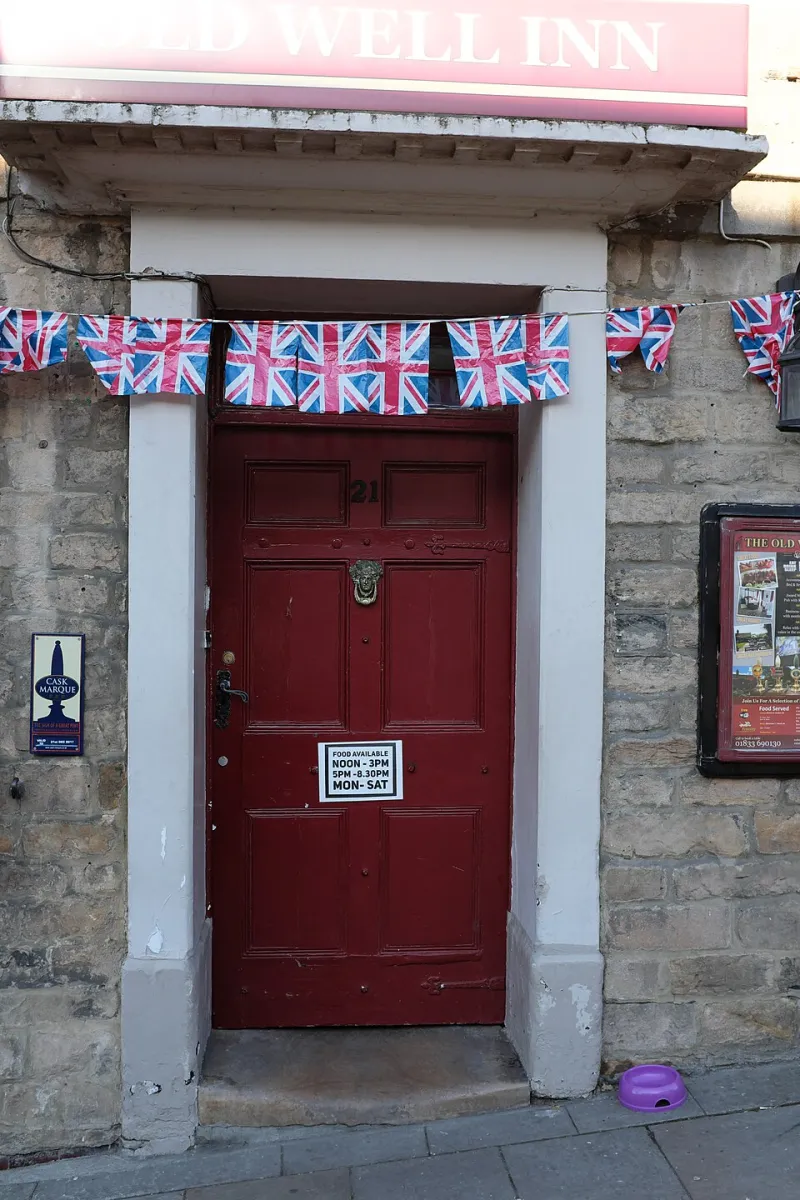
The Post Has Landed: Reconciling Mail Delivery with a Secure, Draught-Free Front Door

A small opening with wider consequences
The letterbox is so familiar that it is rarely subjected to proper scrutiny. Yet every mail slot is, by definition, a penetration through the door leaf or surrounding wall. In British homes and commercial premises, that modest aperture must contend with driven rain, persistent wind, heat loss and the ever-present risk of opportunist intrusion. When specifying, replacing or repairing an entrance door, it is therefore sensible to treat the letterbox not as an accessory but as a performance-critical component.
The challenge is one of balance. Postal deliveries remain a daily expectation for many households and businesses, and a door without a letterbox can create genuine inconvenience. The objective is not to eliminate mail delivery but to ensure that the method of delivery does not undermine the door's principal duties: keeping weather out, keeping warmth in and keeping unauthorised persons at bay.
Where the envelope is breached
A door leaf is engineered as a continuous barrier. Cutting a rectangular aperture for a letter plate interrupts that continuity. Depending on the door's construction, the disruption may affect the insulating core, the weatherseal line and, in the case of fire doors, the certified performance of the assembly. A poorly fitted letterbox can also introduce a cold bridge, allowing condensation to form on the inner face of the door during cold snaps.
Security implications deserve equal attention. An unrestricted slot may permit a hand or implement to reach internal keys, thumbturn cylinders or door handles. It can also provide a point of leverage or a route for igniting combustible material placed nearby. These risks are well understood by insurers and by specifiers working to Secured by Design principles, yet they are frequently overlooked when a letterbox is chosen on appearance alone.
Security standards and fire-door cautions
For replacement letter plates, look for third-party certification and evidence of testing to recognised security standards. Products assessed to TS 008, the technical specification for letter plates, offer a useful benchmark, and Secured by Design recognition provides further assurance. A robust internal flap, a restricted opening and fixings that cannot be removed from outside are all desirable characteristics.
Fire doors demand particular care. A flat entrance door or a door separating a garage from a dwelling may be a certified fire door, and its performance depends on every component being suitable for that assembly. Letterboxes intended for fire doors should be fire-rated, fitted with intumescent protection and installed strictly in accordance with the door manufacturer's instructions. Cutting an aperture into an existing fire door after installation can invalidate its certification and compromise its ability to hold back smoke and flames. In leasehold and commercial settings, specialist advice should be obtained before any alteration is made.
Thermal performance and British weather
Thermal and weather performance are closely linked. An unprotected slot allows warm air to escape and cold air to enter, increasing draughts and reducing comfort near the entrance. In exposed locations, wind-driven rain can pass through the slot and dampen the inner face of the door, the floor covering and any nearby joinery. Over time, repeated wetting may encourage swelling, staining and mould growth.
Well-designed letter plates address these issues through overlapping flaps, close-fitting brushes and sealed frames. A double-flap arrangement, with an external flap and an internal draught-excluding flap, is generally preferable to a single flap. Brushes should make continuous contact with the flap and the aperture edges, and drainage paths should direct water away from the door leaf rather than into it. Regular inspection is important: worn brushes, distorted flaps and perished gaskets are common causes of draughts and water ingress.
Practical alternatives and retrofit options
Where security or weather-tightness is a priority, moving the mail opening away from the door leaf is often the most effective solution. A through-wall letterbox, sometimes called a wall-mounted mailbox, allows post to be delivered into a secure receptacle within the wall thickness while leaving the door uninterrupted. External post boxes at the boundary or beside the entrance are another established alternative, particularly where gates or porches provide some protection.
For flats and commercial buildings, a bank of communal mailboxes in a protected lobby can reduce the need for individual door slots. Where a door letterbox must be retained, a lockable internal mail catcher or cage can prevent access to the floor and to nearby keys while still allowing post to fall clear. On heritage properties, sympathetic retrofits should avoid unnecessary alteration to historic door leaves; a discreet external receptacle may be preferable to cutting a period door.
A practical checklist
- Confirm whether the door is a certified fire door before considering any alteration; if it is, do not cut it and seek specialist advice.
- Specify a letter plate with third-party security certification, restricted opening and non-removable fixings.
- Choose a double-flap or brush-sealed design appropriate to the door's exposure to wind and rain.
- Check that the aperture is correctly sized and sealed; poorly cut openings are a common source of draughts and water ingress.
- Position the slot so that it does not align with internal keys, locks, thumbturns or combustible materials.
- Fit a lockable internal mail catcher where post falls inside the property.
- Inspect brushes, flaps and gaskets at least twice a year, and replace worn components promptly.
- Consider a through-wall mailbox or external post box where the door's integrity is paramount.
- For commercial premises, ensure mail delivery arrangements are consistent with access control and insurance requirements.
Conclusion
The letterbox is a modest feature with a disproportionate influence upon the performance of an entrance. By treating it as part of the door's security and weatherproofing strategy, rather than as a decorative afterthought, British homeowners and businesses can retain the convenience of daily post while preserving a safer, warmer and drier threshold.