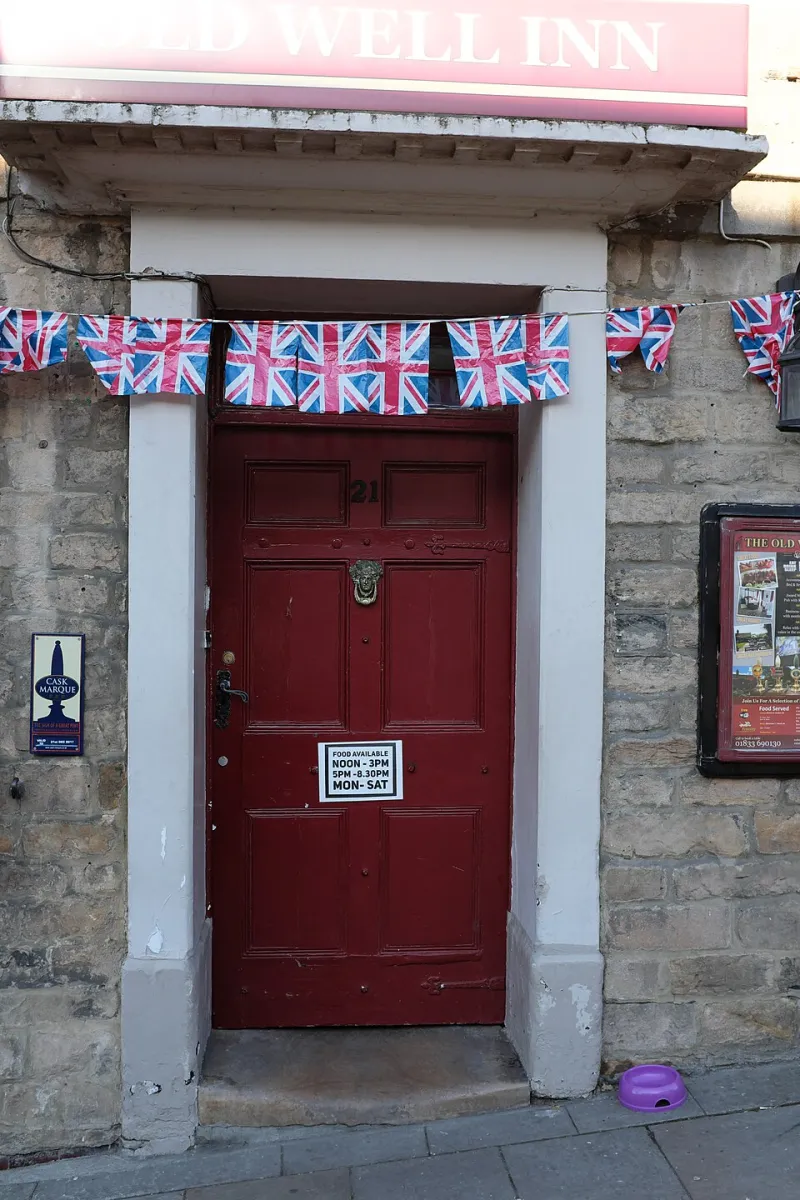
A Discreet Eye at the Door: Smart Doorbells, British Weather and the Neighbourly Rulebook
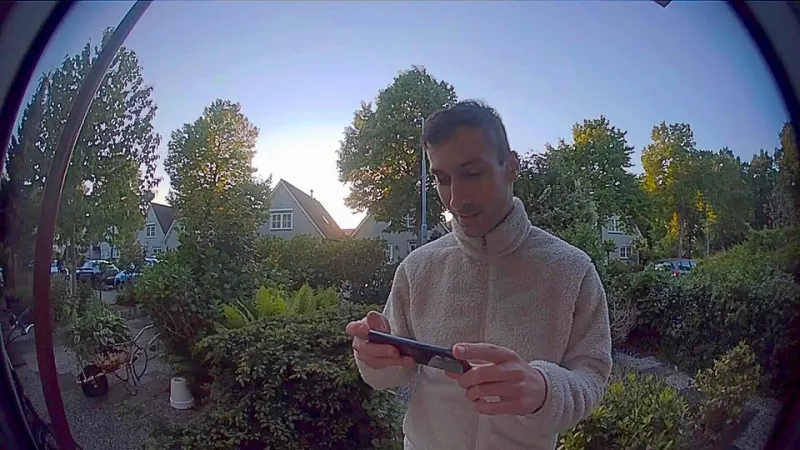
Photo: Amin, CC BY-SA 4.0, via Wikimedia Commons
Smart doorbells occupy an awkward position in the British entrance. They are sold as convenience devices, yet they record the threshold, the path and, often, a slice of the street beyond. For a homeowner in a semi-detached property, a shopkeeper with a delivery entrance or a leaseholder in a communal corridor, that combination of security benefit and privacy risk needs to be handled with care. The device itself is only part of the decision. The door, the weather, the power supply and the expectations of neighbours all shape whether a smart doorbell proves to be a well-mannered addition or a persistent irritation.
Privacy begins before the first notification
A doorbell camera that captures images beyond the boundary of a property is likely to engage UK data protection law. The Information Commissioner's Office has been consistent on this point: domestic CCTV and door cameras can be used responsibly, but householders remain responsible for how footage is collected, stored and shared. If the camera overlooks a neighbour's door, a shared garden or a public pavement, it is unwise to treat the device as a purely private matter.
For most households, a legitimate interests assessment is a sensible starting point. What is the camera for: parcel theft, unwanted callers, or simply knowing when a delivery has arrived? Is a narrower field of view available? How long will footage be retained, and who can see it? A short retention period, such as a few days, is generally easier to justify than indefinite storage. Footage should not be shared casually on social media or with neighbours. If the police request material, it is better to follow a documented process rather than to hand over clips without thought.
Businesses face a higher bar. A door camera at commercial premises may form part of a wider CCTV system, which brings signage, retention schedules and data subject request procedures into scope. In shared residential buildings, the communal corridor is not a private extension of a flat. Leases and landlord rules often restrict alterations to entrance doors and common parts, and a camera that records neighbours passing their own doors can quickly become a complaint. Consent from a landlord or freeholder may be required before mounting anything on a communal door or wall.
The door is part of the system
Installation should suit the door rather than merely the device. A uPVC door, a composite door and a timber period door each behave differently under screws, sealant and seasonal movement. Drilling into a door can affect its warranty, its weather seal and, in the case of a fire door, its certification. Flat entrance fire doors should not be altered without expert advice; a camera bracket fixed through the leaf or frame can compromise the very performance the door is meant to provide. Where possible, mount the unit on the adjacent wall or on a dedicated bracket rather than through a fire-rated assembly.
Glazed panels and letterboxes also demand thought. A camera positioned above a letterbox may capture the hand of anyone posting mail, but it may also be knocked or obscured. On heritage and conservation properties, visible modern fittings can require listed building consent or conservation area approval. At K Door Services, the usual recommendation is to review the door construction, the sightline and the fixing points before purchase, not after the box has been opened.
Power, weather and the British climate
Battery-powered doorbells are easier to fit but demand a routine. Cold weather shortens battery life, and a device that works well in autumn may falter in a frosty January. Wired models avoid that cycle but require a suitable supply, often from an existing doorbell transformer or a qualified electrician. Video doorbells draw more current than a simple chime, so an old transformer may not be adequate.
Weatherproofing is more than an IP rating. An IP65 unit is protected against dust and water jets, but installation still matters. Cable entries should run downwards to form a drip loop, sealant should be applied neatly without blocking drainage, and the camera should not sit in a pocket where rainwater collects. Coastal properties face salt-laden air, which can attack fixings and cloud plastic lenses. Regular cleaning with a soft cloth and a check of seals will do more for longevity than any single specification figure.
Wi-Fi strength at the door is another practical constraint. A camera that drops offline is a security device only in theory. A chime unit inside the home can help, and a wired connection or a mesh node near the entrance may be necessary in thicker-walled British properties.
Notifications without fatigue
A doorbell that alerts on every passing cat, leaf and delivery van soon becomes ignored. Most reputable systems allow activity zones, sensitivity adjustments and schedules. Setting a zone that covers the doorstep but excludes the pavement is a straightforward privacy measure as well as a practical one. Night vision should be configured so that it does not illuminate a neighbour's bedroom window. Parcel detection and package alerts can be useful, but they should be tested rather than assumed.
Households should also agree who receives notifications. Sharing access with a tradesperson or cleaner may be convenient, but it should be revoked when the arrangement ends. Two-factor authentication and a strong password are basic precautions for any device connected to the home network.
A neighbourly installation
The most common disputes are not about the technology but about the angle. A camera pointed at a shared path, a neighbour's front door or a parking space can feel intrusive even when no footage is ever shared. A brief conversation before installation often prevents months of tension. If the entrance is communal, the leaseholder should check the lease and speak to the managing agent. If the property is rented, the landlord's permission should be obtained in writing.
A smart doorbell can be a genuinely useful addition to a British entrance. It can deter opportunistic theft, support parcel awareness and help householders screen callers without opening the door. The sensible approach is to choose a device that suits the door, install it without compromising fire or weather performance, and configure it with the privacy of the street in mind. Convenience should not come at the cost of good neighbours or good practice.